








Inside the Roles that Keep Critical Facilities Online in 2026
Hannah Pooley • April 16, 2026

In 2026, the world is relying on infrastructure that cannot go offline.
Data centres, semiconductor fabrication plants, AI compute environments and advanced manufacturing facilities now operate in a constant state of demand. Uptime has become the foundation of the global economy, and the pressure on engineering teams has never been higher.
But these environments do not run themselves.
Behind every system is a team of highly specialised engineers whose decisions, experience and technical capability determine whether a facility stays online or grinds to a halt.
These are the roles that keep critical facilities online, and they are becoming increasingly difficult to secure.
As highlighted in our Mission Critical Guide, investment in mission critical infrastructure is rising, but the talent required to operate it is not keeping pace.
Industry data shows that more than 20% of the UK’s engineering workforce is now over 55, which is accelerating the shortage of mission critical talent. That is why understanding the engineering roles that maintain uptime in mission critical environments has never been more important for employers.
This blog breaks down the core functions that underpin uptime and explores why these roles are becoming increasingly difficult to hire in 2026.
Why Critical Facilities Depend on Specialist Engineering Roles
Mission critical environments are unforgiving. Even a small error can trigger downtime, operational disruption or financial loss. Power demand across data centres is set to rise sharply through 2028, driven by AI and high density computing.
Power demand across data centres is expected to grow by over 30% by 2028, driven by AI and high‑density compute. As systems become more complex, the expertise required to keep them stable becomes even more specialised.
This is why organisations are prioritising the key roles that keep mission critical facilities running, especially those with experience in high availability engineering, 24/7 operations, and live site infrastructure management.
The Roles That Keep Critical Facilities Online in 2026
These are the engineering jobs that keep data centres and critical facilities running.
Commissioning Engineers
Commissioning Engineers are the first line of defence in ensuring a facility is safe, stable and ready for live operation.
They test, validate and sign off every electrical, mechanical and control system before handover, a process that directly determines whether a site can operate without risk.
This responsibility covers power distribution, UPS systems, cooling infrastructure, automation controls and redundancy pathways.
With commissioning talent in short supply globally, organisations are competing for engineers who can deliver complex testing programmes under tight timelines.
This makes Commissioning Engineers one of the hardest mission critical roles to hire.
Why they matter:
- They ensure every system performs exactly as designed
- They prevent failures before operations begin.
- They accelerate safe handover into live environments.
- They reduce risk during energisation and early stage operation.
Explore hiring Commissioning Engineers here.
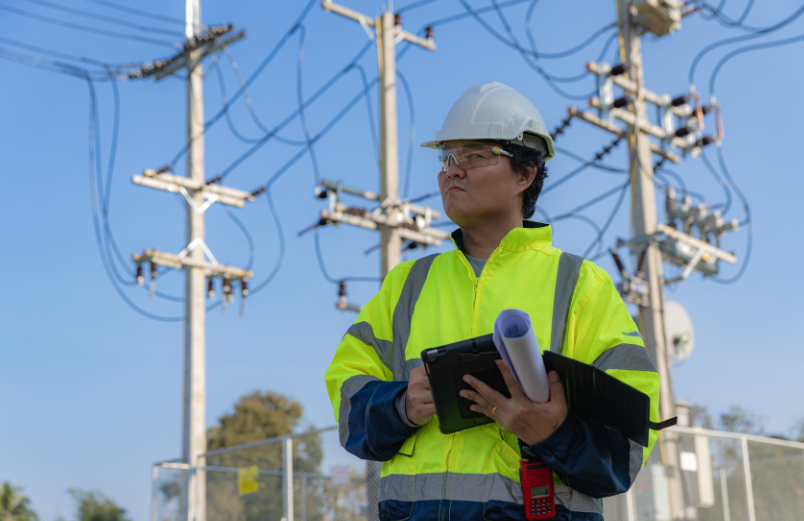
Critical Facilities Engineers
Critical Facilities Engineers are the heartbeat of 24/7/365 operations. They manage live systems, respond to incidents and maintain the infrastructure that underpins uptime. Their work is hands on, high pressure and essential to the stability of every mission critical site.
From electrical switching and mechanical maintenance to emergency response and environmental monitoring, these engineers operate at the centre of real time decision making. With shift based roles limiting mobility and retention, demand for experienced Critical Facilities Engineers continues to rise. They are one of the most searched for data centre operations roles because they directly influence uptime.
Why they matter:
- They provide continuous operational coverage.
- They manage switching, maintenance and emergency response.
- They ensure power and cooling stability in real time.
- They protect uptime during live incidents and unplanned events.
Explore hiring Critical Facilities Engineers here.
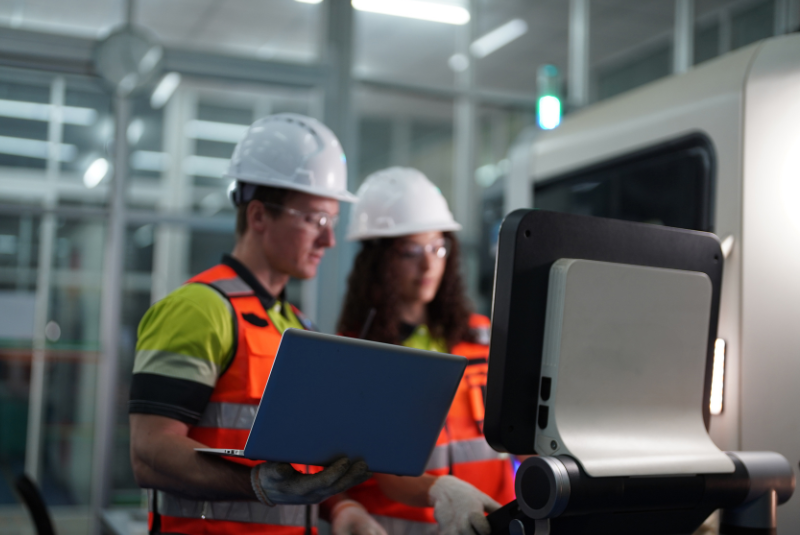
Reliability Engineers
Reliability Engineers are becoming essential as infrastructure complexity increases. They use data, analytics and predictive maintenance to prevent failures before they occur, a capability that is becoming indispensable as AI and high density computing push systems harder than ever.
Their work includes root cause analysis, failure mode assessment, asset lifecycle planning and optimisation of maintenance strategies. Reliability expertise requires both operational and analytical experience, making it one of the hardest skill sets to scale quickly.
Why they matter:
- They reduce downtime risk through predictive strategy.
- They optimise asset performance and lifecycle.
- They support long term operational resilience.
- They help facilities transition from reactive to proactive maintenance.
Explore hiring Reliability Engineers
here.
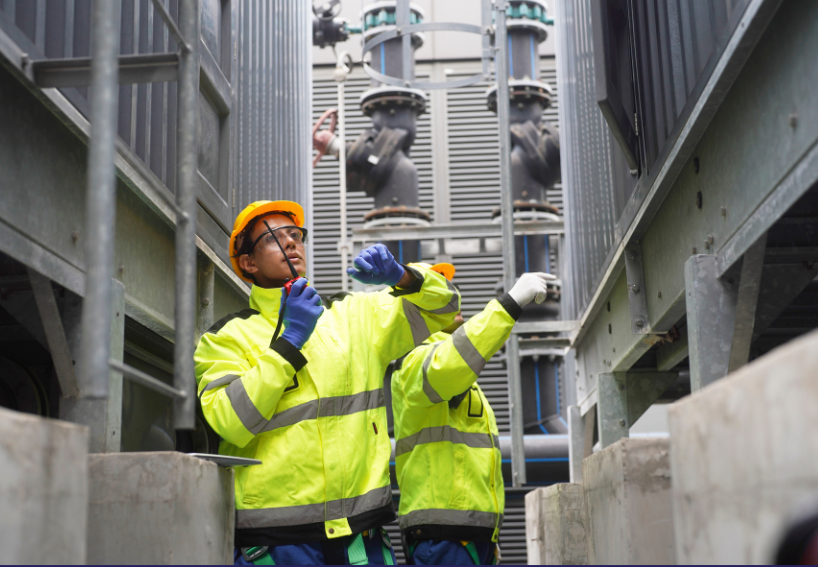
Electrical Engineers
Electrical Engineers are central to power resilience, the foundation of every mission critical facility. With AI workloads driving unprecedented demand, electrical expertise is now one of the most valuable skill sets in the sector.
These engineers design, maintain and optimise power distribution systems, HV infrastructure, redundancy pathways and energisation strategy. Salary growth is being driven primarily by shortages in electrical engineering talent, especially in roles tied to uptime assurance and switching authority. This makes Electrical Engineer data centre jobs some of the most sought after in the industry.
Why they matter:
- They ensure continuous power availability.
- They support energisation and redundancy strategy.
- They maintain HV and LV systems in live environments.
- They protect facilities from power related downtime.
Explore hiring Electrical Engineers
here.
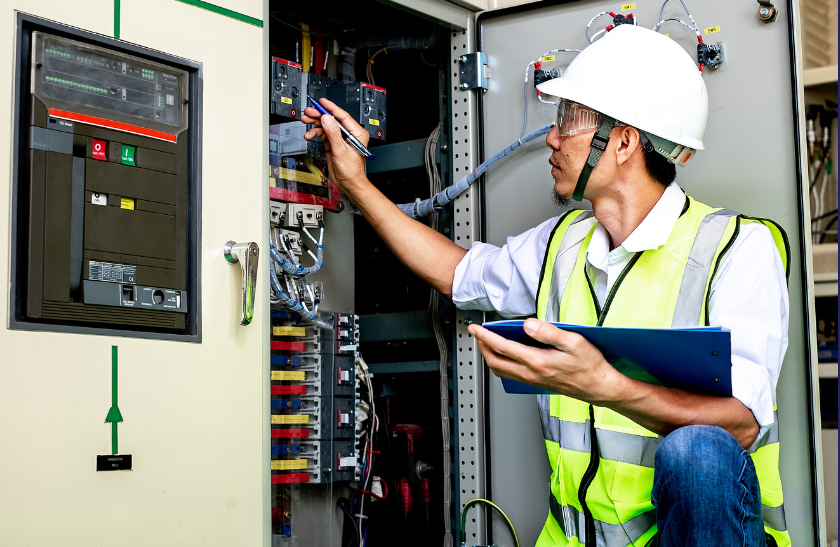
Mechanical Engineers
Mechanical Engineers ensure thermal stability across increasingly dense compute loads, a challenge that is intensifying as AI and high density environments expand. Their work spans cooling system design, HVAC optimisation, liquid cooling readiness and environmental control.
Mechanical Engineers with hyperscale cooling expertise are seeing rising demand, particularly those who can support advanced thermal strategies and high density environments.
Why they matter:
- They design and optimise cooling and HVAC systems
- They maintain environmental control in live facilities
- They support liquid cooling and high density thermal strategy
- They protect uptime by preventing thermal related failures
Explore hiring Mechanical Engineers
here.

Ready to Strengthen Your Mission Critical Engineering Team?
At V7 Recruitment, we specialise in connecting organisations with the engineering talent that keeps mission critical facilities running. From Commissioning and Reliability to Electrical, Mechanical and Operational Engineering, we help you secure the people who protect uptime and performance.
Whether you are scaling a hyperscale campus, expanding capacity or building a 24/7/365 operations team, our Mission Critical division is here to support your hiring strategy.
Looking to hire? Speak to our Mission Critical team today.
And
click here
to download a copy of our Mission Critical guide.
Looking for your next career move?
FREE WHITEPAPERS
Industry Insights Here
GET IN TOUCH