








The 7 Fastest Growing Data Centre Markets in Europe
Hannah Pooley • February 19, 2026

Europe’s data centre expansion is entering a more selective phase, where the ability to deliver projects at pace is becoming just as important as underlying demand. The pipeline is now significant, with over 11.5GW in planning and 2.6GW already under construction across EMEA, pointing to sustained momentum through 2026 and beyond.
At the same time, growth is no longer limited to traditional hubs alone. Capacity constraints and grid connection timelines are actively reshaping where projects can move quickly, making delivery certainty just as important as demand.
Below are the seven fastest growing data centre markets in Europe, and what this growth means for data centre recruitment and data centre technical roles in each location.
London, United Kingdom
London remains Europe’s largest and most competitive data centre market. Currently having approximately 1,189 MW of live capacity and a further 1,678 MW in the development pipeline, making it the largest city market in Europe. However, growth has shifted toward larger, campus style developments as developers navigate planning constraints and power availability.
Despite these pressures, London continues to lead the region in operational capacity and development pipeline, reinforcing its status as a cornerstone of European data centres.
What this means for hiring in London data centres:
- Ongoing demand for Commissioning Engineers, Electrical Engineers, and Mechanical Engineers.
- Increased pressure on experienced delivery teams as programmes scale.
- Continued competition for mission critical construction and engineering talent.

Dublin, Ireland
Dublin remains one of Europe’s most important hyperscale markets. Multi-phase campus developments continue to progress, even as scrutiny around power usage and sustainability intensifies. Ireland remains a core focus for new capacity, ensuring Dublin data centres stay high on investor priority lists.
Dublin data centre expansion and talent shortages:
- Strong demand for commissioning capability as projects enter delivery phases.
- Sustained pull for Electrical engineers and Mechanical engineers with data centre experience.
- Hiring often needs to happen earlier due to tight timelines and limited talent pools.

Frankfurt, Germany
Frankfurt continues to anchor Germany’s data centre ecosystem, supported by connectivity, enterprise demand, and cloud growth. It has now exceeded 1 GW of total data centre capacity, placing it among the largest city markets in Europe.
Expansion is no longer confined to traditional hubs, with large scale developments emerging around Berlin Brandenburg and significant new capacity planned across multiple regions.
Recruiting Commissioning Engineers in Frankfurt data centres:
- Commissioning Engineers are under heavy pressure across
Germany’s largest data centre hub, with multiple projects progressing in parallel.
- Talent supply is struggling to keep pace with Frankfurt’s expanding pipeline and wider regional growth.
- In demand commissioning profiles are often secured months in advance due to limited local availability.
- Skills shortages are contributing to project delays across the German data centre market.

Paris, France
Paris remains a core European data centre market, driven by enterprise demand, cloud services, and a need for in country capacity. France hosts over 300 data centre facilities, with Paris and Marseille accounting for a substantial share of national capacity. While constraints exist across Europe, France is often better positioned on grid access compared to some other legacy hubs, supporting continued project momentum across Paris data centres.
Data Centre Technical Roles in Demand in Paris 2026:
- High competition for data centre technical roles across design, build, and operations.
- Strong need for Electrical Engineers and Mechanical Engineers capable of supporting high density environments.
- Growing emphasis on sustainability, energy compliance, and environmental performance.

Madrid, Spain
Spain is one of the clearest examples of a fast-rising data centre market, with Madrid leading that growth. Madrid’s combined operational and planned data centre capacity is now approaching 0.5–0.6 GW, reflecting rapid growth from a lower base. Improved connectivity, favourable conditions, and rising demand from both hyperscale and colocation operators have pushed Madrid data centres firmly into the high growth category.
Emerging data centre markets in Madrid and Spain:
- Increasing mix of hyperscale and colocation demand.
- Rising hiring needs for commissioning and MEP delivery specialists.
- Growing competition for multilingual project teams as international developers scale.

Stockholm, Sweden
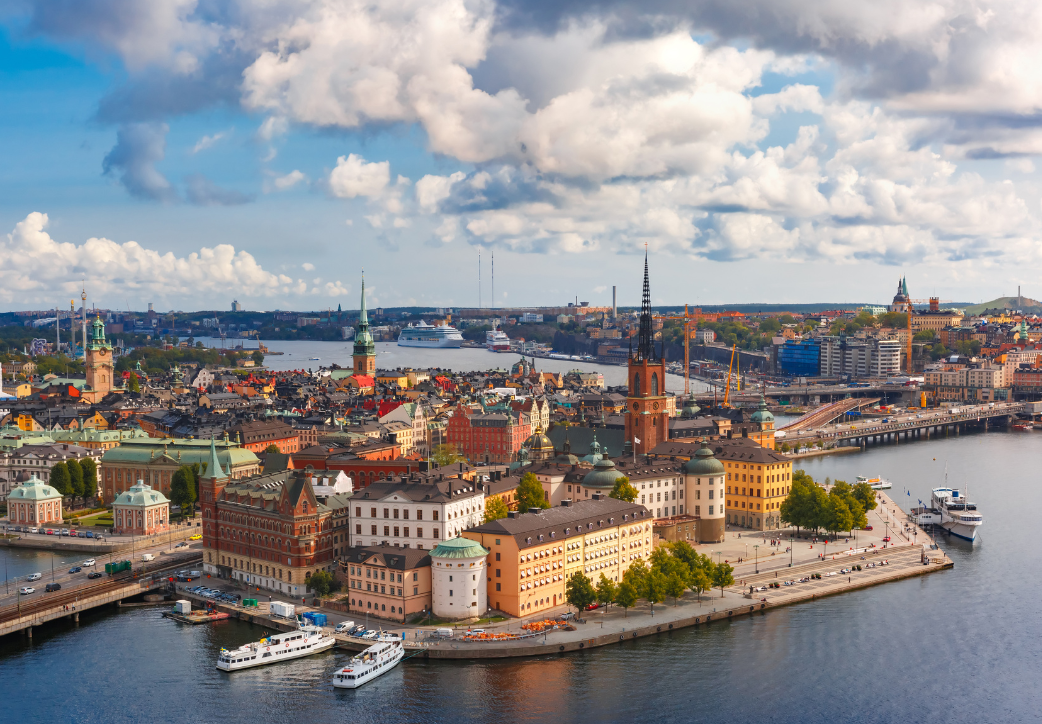
Sweden is accelerating because it aligns closely with modern developer priorities. Access to renewable power, sustainability led design, and credible delivery pathways have positioned Stockholm as one of Europe’s fastest growing data centre markets. Circular approaches such as heat recovery are becoming key differentiators across European data centres.
Why Stockholm data centres are scaling fast:
- More projects designed around low carbon operations and heat reuse.
- Hiring demand expanding beyond build teams into long term operational roles.
- Sustainability and energy focused roles rising in importance across the EU and UK.
Copenhagen, Denmark
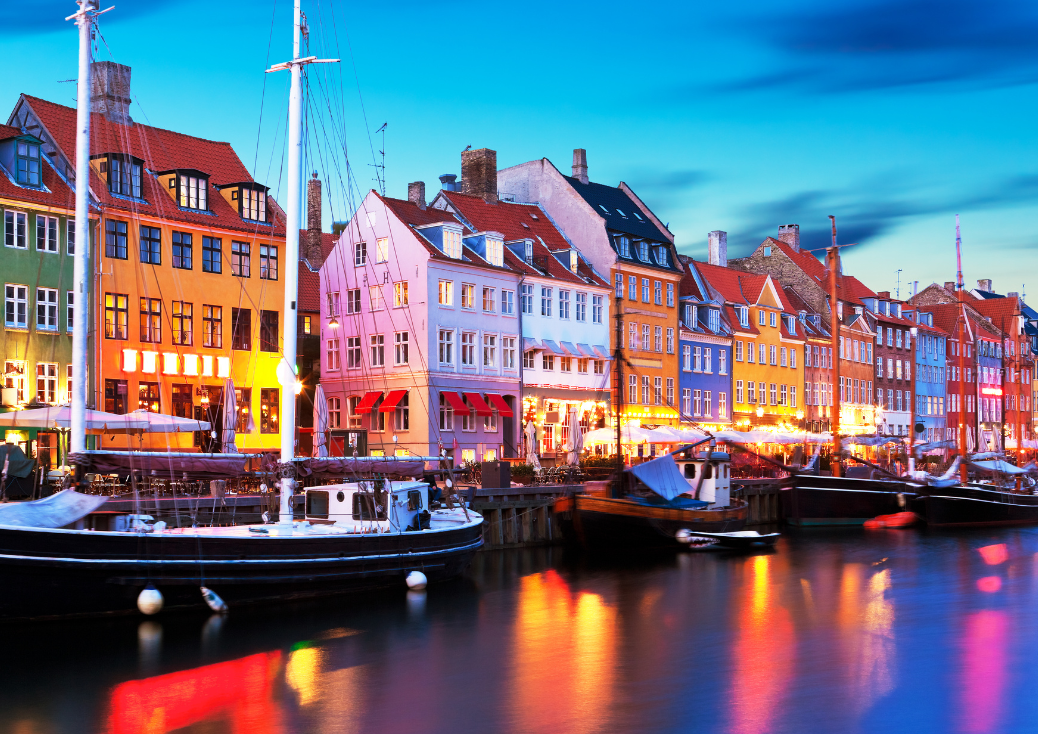
Denmark is growing rapidly for similar reasons to Sweden, with a strong national focus on heat reuse and district heating integration. One example is atNorth’s DEN01 data centre near Copenhagen, expected to deliver around 22.5 MW of IT capacity when operational. Large hyperscale developments and innovative energy strategies continue to attract new investment into Copenhagen data centres.
Key hiring pressure points in Copenhagen data centres:
- High demand for experienced Mechanical Engineers and thermal systems expertise.
- Skilled trades and Commissioning Engineers remain difficult to secure at speed.
- Project based teams frequently used to bridge delivery gaps during peak phases.
The Headline Trend Behind All Seven Markets
Europe’s data centre expansion is taking place within a broader global growth curve. The sector is projected to grow at approximately 14% CAGR through 2030, with nearly 100GW of new data centres expected to come online between 2026 and 2030.
This expansion is driving a parallel hiring surge. The global data centre workforce is expected to grow by
35% by 2030, increasing from 2.3 million in 2025 to over 3.1 million professionals. As a result, data centre recruitment has become central to delivering hyperscale growth across Europe, rather than a support function.
The Markets Moving Fastest Will Win the Talent Race
The fastest growing European data centres are no longer defined solely by legacy demand. They are defined by where projects can realistically move forward, where grid access is achievable, and where organisations can secure the skilled people needed to deliver.
In 2026, success across the European market will belong to organisations that treat recruitment as a delivery strategy from day one. The focus must remain on securing Commissioning Engineers, Electrical Engineers, Mechanical Engineers, and specialist skilled trades early, before competition intensifies further.
Contact us to discuss how early access to specialist data centre talent can support delivery across Europe’s fastest moving markets.
Looking for your next career move?
FREE WHITEPAPERS
Industry Insights Here
GET IN TOUCH