





How to Hire Fire Alarm Engineers Faster
Josh Ramsay • October 8, 2026
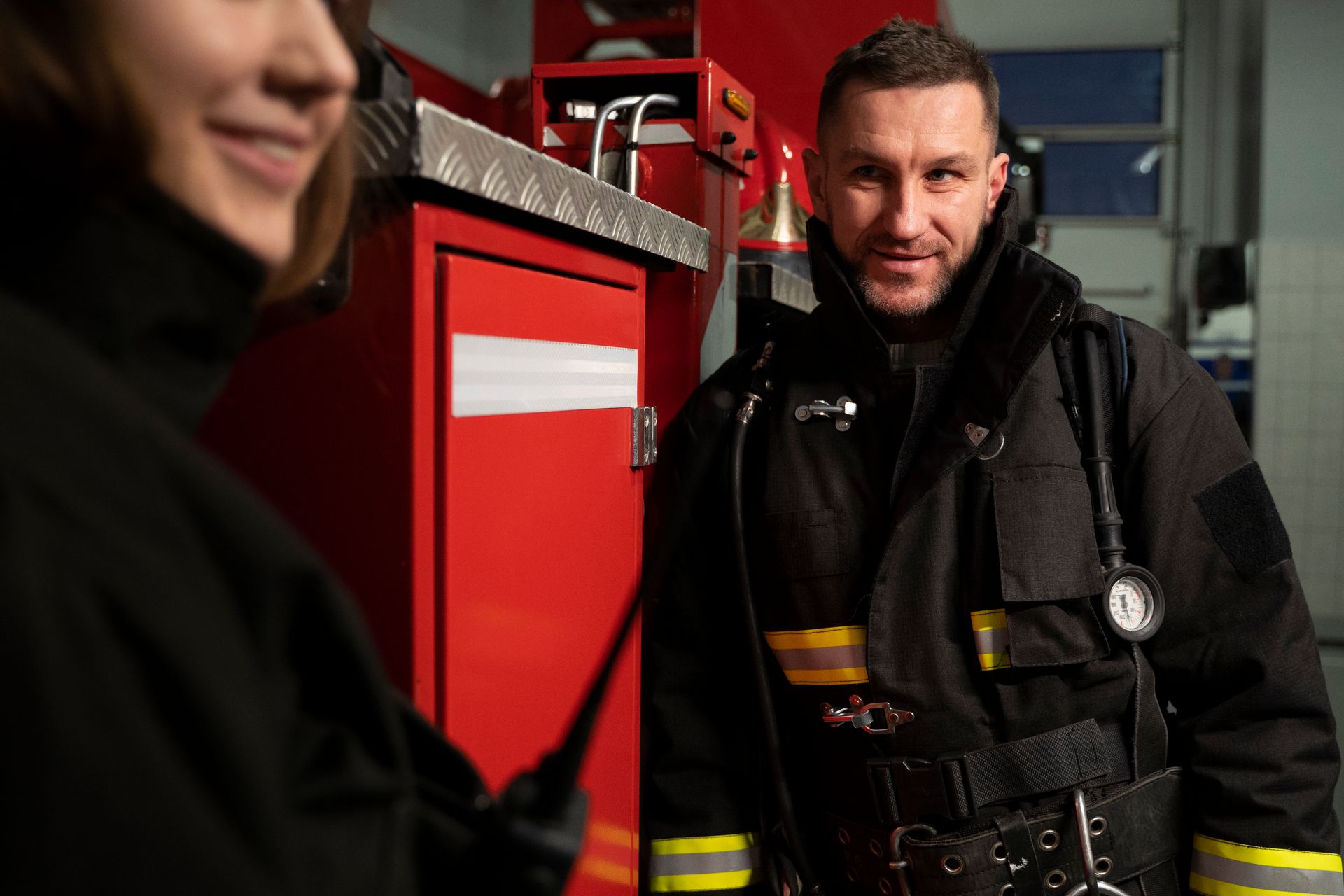
Hiring an experienced Fire Alarm Engineer can become a very narrow search surprisingly quickly.
A brief might start with strong service and maintenance experience, before adding a particular manufacturer, commissioning capability, geographical coverage and experience on similar sites. Each requirement may be perfectly reasonable on its own, but together they can leave employers searching within a very small pool of engineers.
That becomes more challenging in a market where specialist skills are already difficult to secure. Skills England's latest report found that 27% of vacancies are hard to fill because of skills shortages, with engineering professions among the areas expected to see strong demand over the coming years.
When the wider market is tight, getting the brief right becomes even more important. Hiring faster isn't about lowering the technical standard.
It's about being clear on what the role genuinely requires from day one, what a capable engineer could develop and how quickly the business is ready to move when the right person comes along.
“Fire Alarm Engineer” can mean very different things
V7's current Fire & Security vacancies show just how different two Fire Alarm Engineer requirements can be.
One recent contract centres on weekly fire alarm testing and updating asset information. Another specifically requires Protec 6100 and 6500 experience for installation, remedials, upgrades and modifications.
Both are Fire Alarm Engineer vacancies. They clearly do not require the same person.
That is why the first question should be simple:
What will this engineer actually spend most of their week doing?
If 80% of the workload is planned maintenance and reactive fault-finding, somebody does not necessarily need to be an expert commissioner too. Equally, if the role involves modifying a specific system from day one, manufacturer experience may genuinely be essential.
Getting that distinction right gives you a much more realistic picture of who is worth approaching.
Put every requirement into one of three buckets
Before the vacancy goes live, challenge each requirement.
| Essential | Desirable | Trainable |
|---|---|---|
| Skills needed to perform the core work safely | Experience that makes onboarding easier | Knowledge a capable engineer can develop |
| Manufacturer expertise required from day one | Additional system experience | Further manufacturer knowledge |
| Required standards or site credentials | Similar site experience | Broader commissioning exposure |
| Core technical ability required for the role | Adjacent Fire & Security skills | Further qualifications or manufacturer training, where appropriate |
This isn't about removing requirements for the sake of it.
It's about separating “we need this” from “this would be useful.”
V7 currently has a Fire Service Engineer requirement where Gent and/or Notifier experience is highly desirable, but engineers with a solid fire alarm background who are willing to undertake further manufacturer training are also being considered.
That creates a wider pool than insisting every suitable candidate arrives with exactly the same manufacturer history.
The FIA's qualification route also reflects how varied Fire Detection & Alarm work can be, with advanced training across installation, maintenance, commissioning and design.
There is room between hiring somebody who lacks the technical foundations and waiting indefinitely for someone who has already done every part of the role.
Keep the competence bar high
94% of organisations surveyed for the 2026 Fire Safety Buyers Report placed proof of competence above cost when choosing a fire-safety provider.
That matters for employers too. If customers are placing that much weight on competence, businesses need to be equally clear about the technical standard required from the people carrying out the work.
The better approach is to identify which capability needs proving for this vacancy.
If detailed BS 5839 knowledge is central to the role, assess it. If the engineer needs to commission independently from their first week, make that clear. If particular qualifications are required, verify them.
Our guide to Fire & Security certifications for engineers in 2026 looks at this in more detail.
A long specification and a high standard are not automatically the same thing.
Would you apply for the job as it's currently written?
The technical brief isn't the only thing that can reduce your candidate pool.
Consider two hypothetical roles.
Role A: £45,000, clearly defined local patch, paid travel, 1-in-6 call-out rota, manufacturer training and an opportunity to develop into commissioning.
Role B: £45,000, “regional travel”, call-out required, overtime available and no clear explanation of progression or training.
Same salary. Very different job.
For field-based engineers, travel, call-outs, overtime, vehicle arrangements and working patterns can have a major effect on how attractive an opportunity feels.
Those details should be part of the initial conversation, not something an engineer discovers after an interview.
Training matters too. If the business is willing to put the right engineer through manufacturer training or help them develop into a broader technical role, say so.
Don't create delays once you've found the right person
Finding somebody with the right background is difficult enough. There is little value in adding several days of silence once you've found them.
That doesn't mean rushing technical assessments. It means having the practical parts organised beforehand.
Before CVs start arriving, know:
- who reviews them;
- who needs to meet the candidate;
- whether one interview is enough;
- who can answer technical questions;
- who approves the offer; and
- when the candidate can expect feedback.
V7 has previously looked at seven common mistakes employers make when recruiting Fire & Security professionals, including the impact slow or inconsistent feedback can have.
For employers looking beyond one individual vacancy, V7’s Q4 Hiring Readiness Playbook also looks at the wider parts of the recruitment process that can slow specialist hiring down, from vacancy sign-off and interview availability through to feedback, offer approval and internal decision-making. It’s designed to help businesses spot those issues before a critical hire becomes an urgent one.
Is the brief asking for one engineer to do too much?
A business might ideally want someone who can service, maintain, fault-find and commission fire alarms while also covering CCTV, access control and intruder systems.
Engineers with that breadth of experience exist, but not every vacancy genuinely needs one.
If most of the workload sits within fire alarms, rejecting a strong fire engineer because their CCTV or access-control experience is limited could unnecessarily narrow the search. The same applies to commissioning if it represents only a small part of the role and there is scope to develop that capability.
It's also worth looking at the wider team. A skill that already exists elsewhere in the business may not need to be duplicated in every new hire.
Not sure whether the market or the brief is the problem?
This can be difficult to judge from inside the business.
A vacancy may genuinely require an unusual combination of skills. Equally, one or two requirements might be narrowing the candidate pool much more than expected.
This is where speaking to somebody who recruits in the market every day can be useful.
Jacob Dunwell, Principal Consultant in V7's Fire & Security team, works with businesses hiring specialist Fire & Security professionals across the UK. Rather than simply taking a job specification and putting it into the market, the conversation can start with the requirement itself: what work needs covering, which experience is genuinely essential and how that compares with the engineers currently available.
If a Fire Alarm Engineer search isn't producing the people you expected, V7 can help benchmark the brief against the market before another few weeks are spent looking for the same profile.

Before blaming the market, check the vacancy
Some Fire Alarm Engineer roles are genuinely difficult because the required experience is scarce.
But if a search isn't working, five questions are worth revisiting:
What will this engineer actually spend most of their week doing?
Which skills genuinely need to be there on day one?
What could a technically strong engineer realistically learn?
Have we explained the patch, travel, call-outs and full package properly?
If the right engineer appeared today, are we ready to move?
If those answers all stack up, you may simply be dealing with a difficult market. If they don't, there may be more room to improve the search than the number of available engineers first suggests.
Hiring faster doesn't have to mean compromising
Fire alarm recruitment should have a high technical standard. The work demands it.
Employers have more control over making that standard accurate: be specific about the work, protect the skills that genuinely matter and be realistic about where strong technical experience can transfer or develop.
That won't suddenly make every Fire Alarm Engineer easy to find, but it can stop the recruitment process making an already difficult search harder than it needs to be.
Looking to Hire Fire Alarm Engineers?
f you're currently hiring a Fire Alarm Engineer and want a second view on the brief, speak to Jacob Dunwell and V7's Fire & Security team.
We can help benchmark the requirement against the current candidate market, identify where the search may be unnecessarily narrow and connect you with engineers whose experience matches the work you actually need completed.
FAQs
How can I hire Fire Alarm Engineers faster?
Define the work the engineer will actually perform, separate essential requirements from trainable skills and make the full working package clear. It also helps to have interview, feedback and offer decisions agreed before suitable candidates enter the process.
Why are Fire Alarm Engineers difficult to recruit?
Fire alarm work covers specialist areas including service, maintenance, installation, fault-finding and commissioning. Requirements around manufacturer experience, location, call-outs and qualifications can narrow the available candidate pool further.
Does a Fire Alarm Engineer need experience with the exact manufacturer we use?
Sometimes. Manufacturer-specific knowledge may be essential for specialist work, but in other roles strong transferable Fire Detection & Alarm experience combined with appropriate training may be enough.
What should I include in a Fire Alarm Engineer job specification?
Include the core type of work, systems involved, essential technical experience, geographical coverage, travel arrangements, call-out expectations and complete package. Keep desirable experience separate from genuine day-one requirements.
Author Bio
Josh Ramsay leads the marketing team at V7 Recruitment, where he turns real-world hiring trends and market shifts into practical advice for employers and job seekers. Working side-by-side with V7’s specialist recruiters, Josh helps make sense of the changing talent landscape across technical industries - including Construction, Fire & Security, Aviation, Data Centres, Mission Critical, Power Generation, and Utilities, across both permanent and contract roles.
Looking for your next career move?
FREE WHITEPAPERS
Industry Insights Here
GET IN TOUCH